The Art of the Japanese Kissaten: A Journey into Traditional Coffee Culture
In the bustling modernity of Japan, a timeless tradition persists: the kissaten. More than just a coffee shop, a kissaten is a sanctuary of quiet contemplation, a place where the art of coffee preparation is revered, and time seems to slow down. For those seeking a deeper understanding of coffee culture, a journey into the world of the Japanese kissaten offers a unique and enriching experience.
What is a Kissaten?
The term “kissaten” (喫茶店) literally translates to “tea-drinking shop,” reflecting its origins as a place for tea. However, over time, these establishments evolved to primarily serve coffee, becoming an integral part of Japanese urban life, particularly from the early 20th century. Unlike contemporary cafes that prioritize speed and takeaway, kissaten emphasize a slower pace, meticulous preparation, and a serene atmosphere.
Key characteristics of a kissaten often include:
- Atmosphere: Dim lighting, classic jazz or classical music, comfortable seating, and often a nostalgic, retro decor. The ambiance is designed for relaxation and quiet conversation or solitary reflection.
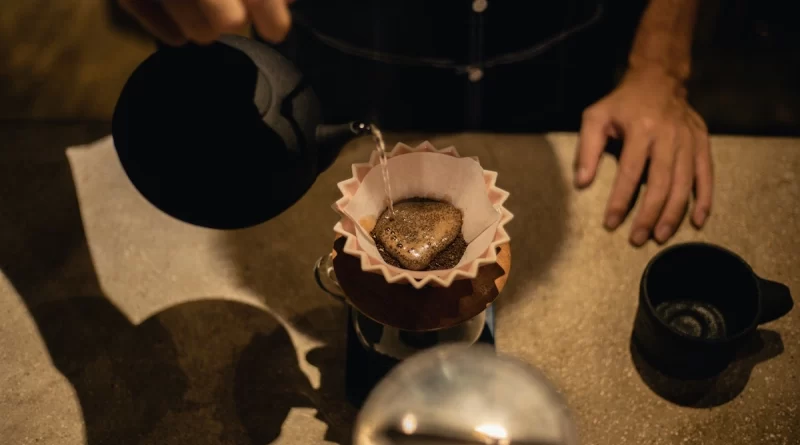
- Master Barista: The coffee is typically prepared by a highly skilled “master” (often the owner) who takes immense pride in their craft. Preparation methods like pour-over (drip coffee) are common, executed with precision and care.
- Table Service: Unlike self-service cafes, kissaten usually offer table service, adding to the feeling of being attended to and allowing patrons to fully immerse themselves in the experience.
- Food Offerings: While coffee is central, many kissaten also serve light meals, sandwiches, toast, and traditional Japanese sweets.
- No Wi-Fi: Many kissaten intentionally avoid offering Wi-Fi to encourage patrons to disconnect and engage with their surroundings or their companions.
The Philosophy of the Kissaten
The kissaten embodies a philosophy of omotenashi (wholehearted hospitality) and kodawari (an uncompromising devotion to one’s craft). Every detail, from the choice of beans and brewing method to the selection of the coffee cup and the presentation, is carefully considered. The focus is on the ritual of coffee drinking, allowing patrons to savor each sip and appreciate the moment.
For many, the kissaten serves as a refuge from the fast-paced outside world. It’s a place to read, write, think, or simply observe. The quiet environment fosters introspection and a deeper connection with the coffee itself.
Experiencing a Kissaten
If you have the opportunity to visit a kissaten in Japan, here are a few tips to enhance your experience:
- Embrace the Quiet: Speak softly, if at all. Respect the tranquil atmosphere.
- Observe the Master: Watch the barista at work. Their dedication to the craft is part of the experience.
- Order a Classic: Try a hand-drip coffee (often called “drip coffee” or “hand-drip”) to appreciate the purity of the brew.
- Savor the Moment: Don’t rush. Allow yourself to relax and enjoy the ambiance.
- Try the Food: Many kissaten have signature food items that are worth trying.
The Japanese kissaten is a beautiful testament to the enduring power of tradition and the profound pleasure that can be found in a perfectly prepared cup of coffee. It’s a reminder that sometimes, the best way to enjoy coffee is to slow down and truly appreciate the art.